

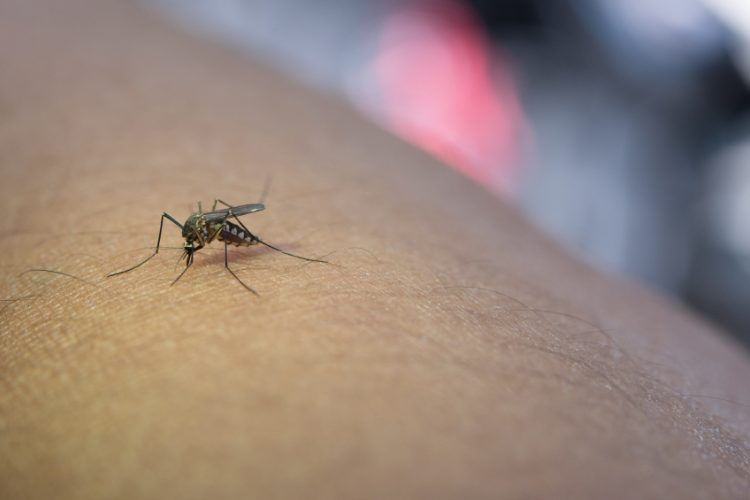
If you’ve been noticing an uptick in mosquitoes around your backyard in Allegheny County, you’re not just being paranoid. There has been a 40% increase in local mosquito populations since 2020, leading to a heightened risk of mosquito-borne illnesses. West Nile Virus, which is the most prevalent mosquito disease in Pittsburgh, has already been found in mosquitoes from Point Breeze this year, representing the earliest positive detection in five years.
Mosquitoes in Pittsburgh carry the potential to pass along various diseases through their bites. While West Nile Virus is the most significant concern in the area, health authorities are also on the lookout for Eastern Equine Encephalitis and La Crosse Encephalitis. Most individuals infected with these viruses show no symptoms; however, severe cases can lead to neurological damage or even death, especially in people over 60 years old.
What Is Causing the Rise in Mosquito Populations in Western Pennsylvania?
There are three key factors contributing to the increase of mosquitoes in Pittsburgh. First, warmer springs are now arriving approximately two weeks earlier than they did in 2000, offering mosquitoes more time to breed. Second, the heightened levels of rainfall create additional standing water where mosquitoes can lay their eggs. Lastly, the milder winters fail to eliminate the mosquito eggs that survive the cold.
According to climate data from the National Weather Service, Pittsburgh now sees 15 more days each year with temperatures above 80°F compared to 1990. These warm, humid conditions provide ideal breeding environments for mosquitoes from May through October rather than the usual June to September period.
Urban development also plays a role in this issue. Abandoned properties in areas such as Hazelton and Carrick trap rainwater in gutters, tires, and stagnant pools. A single neglected kiddie pool can generate up to 10,000 mosquitoes in just one week. The Allegheny County Health Department reported receiving 287 complaints about standing water in 2025, a noticeable increase from 142 complaints in 2020.
West Nile Virus Surveillance and Cases in Allegheny County
In Allegheny County, there are 85 mosquito surveillance traps active from May through October, with weekly testing of captured mosquitoes for diseases. In 2025, 42 of these trap locations tested positive for West Nile Virus, predominantly in neighborhoods close to rivers and creeks. The CDC indicates that Pennsylvania had an average of 18 human cases of West Nile Virus annually between 2020 and 2025, with Allegheny County responsible for about 30% of these cases.
The type of mosquito also matters. Culex pipiens, commonly known as the northern house mosquito, is particularly efficient at spreading West Nile Virus in our area. These mosquitoes are primarily active between dusk and dawn, usually feeding on birds first before turning to humans as bird numbers decline later in summer.
Local hospitals reported treating 12 severe cases of West Nile in 2025, which included three patients requiring intensive care due to neurological complications. Experts in infectious disease from UPMC have noted that only about 1 in 150 infected individuals experience severe illness, suggesting that many mild cases likely go unreported each year. If you are dealing with mosquitoes around your home, consider professional mosquito control services to lower the risk of disease transmission by eradicating breeding sites and treating areas where adult mosquitoes tend to rest.
Other Mosquito-Borne Diseases Affecting Residents of Pennsylvania
Even though West Nile Virus often dominates the news, other diseases transmitted by Pennsylvania mosquitoes exist. Eastern Equine Encephalitis (EEE) sporadically shows up in the state, with two confirmed cases in northwestern Pennsylvania since 2020. Though infrequent, EEE is serious, leading to death in about 30% of infected individuals and causing lasting brain damage in many survivors.
La Crosse Encephalitis primarily affects children younger than 16, causing symptoms such as fever, headaches, and vomiting. The state sees an average of three cases per year, chiefly in rural areas. In 2018, the Jamestown Canyon Virus was identified in Pennsylvania mosquitoes, resulting in flu-like symptoms that rarely necessitate hospitalization.
Travel can also introduce new risks. Residents returning from tropical trips may catch dengue, Zika, or chikungunya while abroad, although local mosquitoes cannot transmit these diseases. The Pennsylvania Department of Health monitors all mosquito-borne disease cases through mandatory reporting by physicians.
Understanding Disease Symptoms and Severity
Symptoms of West Nile typically manifest between 3 to 14 days after a bite. While most people are asymptomatic, around 20% experience West Nile fever, which includes symptoms like headaches, body aches, and fatigue that can persist for weeks. The severe neuroinvasive form, although rare, affects less than 1% of cases and can lead to conditions such as encephalitis, meningitis, or acute flaccid paralysis.
In contrast, symptoms of EEE surface more rapidly, occurring within 4 to 10 days and advancing quickly from fever to seizures and even coma. La Crosse Encephalitis has a similar timeline to West Nile but tends to cause more vomiting and behavioral changes in children. Recognizing these distinctions is crucial for accurate diagnosis and treatment.
Impact of Climate Change on Pittsburgh’s Mosquito Populations
Temperature records indicate that Pittsburgh’s average summer temperature has risen by 2.3°F since 1970, extending the duration of the mosquito season by almost a month. Now, mosquitoes can remain active until early November during warmer falls, in contrast to the typical die-off seen in October in earlier decades.
Flooding events contribute significantly to mosquito breeding as well. The floods of August 2025 left behind standing water across Allegheny County for weeks, causing a spike in mosquito populations by September. Climate models predict a 20% increase in extreme rainfall events by 2030, leading to more temporary habitats for mosquitoes in urban areas.
Warmer winters add another layer of difficulty. Historically, mosquito eggs would perish during Pittsburgh’s colder temperatures, naturally keeping their populations in check. However, last winter only featured 12 days where temperatures fell below 10°F, in stark contrast to the 28 days recorded in 1990, allowing more eggs to survive until spring. Some neighborhoods face especially severe mosquito problems due to localized microclimates and drainage issues.
Looking Ahead: Projections for Disease Risk
Experts in entomology forecast that mosquito populations may rise by 15-25% by 2030 if the current trend of warming continues. This will create more opportunities for disease transmission, especially for West Nile Virus. Additionally, southern mosquito species might begin to establish stable populations in our area, potentially bringing new disease vectors with them.
Public health officials are proactively preparing for these developments by enhancing surveillance programs and educating residents about prevention methods. In 2026, the county added 20 new trap sites, focusing on regions near senior living facilities where residents face increased risks for disease.
Common Questions
What times are mosquitoes most active in Pittsburgh?
Mosquitoes in Pittsburgh are generally most active from dusk until dawn, particularly between 7 PM and 6 AM. The highest biting activity occurs on humid evenings in July and August when temperatures remain above 70°F. Culex mosquitoes that carry West Nile Virus are the most aggressive two hours post-sunset.
Can mosquitoes transmit illnesses through pools or hot tubs?
No, mosquitoes do not transmit diseases in properly chlorinated pools or hot tubs. However, abandoned pools with stagnant water become significant breeding zones. One unmaintained pool can generate millions of mosquitoes during a single summer, impacting entire neighborhoods. It’s advisable to cover or drain unused pools right away.
Do all mosquito bites transmit disease?
No, the majority of mosquito bites are harmless. Only those mosquitoes infected with viruses are capable of spreading disease, and the infection rates fluctuate. In Allegheny County, typically 1-5% of mosquito pools tested during peak season carry West Nile Virus. Therefore, the risk associated with each bite remains quite low.
Should I avoid being outdoors during mosquito season?
There’s no need to stay indoors, but it’s wise to take precautions during the times when mosquitoes are most active. Use EPA-approved repellents that contain DEET, picaridin, or oil of lemon eucalyptus. Whenever feasible, wear long sleeves and pants. Try to plan outdoor activities for midday when mosquito activity is generally lower.
How quickly do mosquito populations multiply after rainfall?
Mosquitoes can transition from egg to adult in as little as 7-10 days during warm weather. A single rainfall that leaves behind standing water for a week can lead to a dramatic increase in population. Female mosquitoes can lay between 100-300 eggs at once, making even minor water sources a concern.
Keeping Your Family Safe from Mosquito-Borne Illnesses
Prevention begins in your own yard. Empty standing water from flower pots, bird baths, and toys weekly. Regularly clean gutters, as clogged ones can retain enough water for mosquito breeding. Repair leaky outdoor faucets and air conditioning drips that create puddles.
Personal protection is equally important. Apply repellent to exposed skin before heading outside, reapplying every 4-6 hours. Ensure that windows are fitted with screens to keep mosquitoes outside your home. When camping or hiking, consider treating your clothing with permethrin for added protection.
For properties with ongoing mosquito issues, professional treatments can effectively target both larvae and adult mosquitoes. Technicians can locate and treat breeding sites that may be overlooked, such as storm drains or concealed containers. Seasonal maintenance plans offer ongoing protection throughout mosquito season, which is particularly crucial near wooded areas or water features.
Be alert for symptoms of diseases following mosquito exposure. Seek medical help for severe headaches, high fever, confusion, or muscle weakness within two weeks of being bitten. Early treatment significantly improves outcomes for all mosquito-related illnesses. Inform your doctor about any recent mosquito exposure to assist in diagnosis.
Community involvement enhances individual efforts. Report instances of standing water on neglected properties to 311. Join forces in neighborhood cleanups aimed at removing mosquito breeding grounds. Share valuable information related to disease prevention with elderly neighbors who are more vulnerable to West Nile Virus.
Some homeowners have successfully handled multiple stinging insect problems simultaneously, as effective mosquito control often intersects with managing other pests. While devising your pest control strategy, consider comprehensive approaches that can tackle a variety of seasonal threats. Many residents encounter tick issues alongside mosquito challenges, as both types of pests tend to flourish in similar environments.
Mosquito-borne diseases present a significant and escalating risk to the residents of Pittsburgh as climate change causes mosquito populations to grow and extends their active season. Although West Nile Virus is likely to remain our principal concern, staying informed about emerging diseases is crucial for protecting your family. Take mosquito prevention seriously, eliminate breeding sites around your property, and consider professional mosquito control for thorough protection. Don’t wait until mosquitoes become unbearable; initiate your prevention strategies today.

James Stevenson is the owner of Spectrum Pest Control, Pittsburgh’s trusted local pest control experts since 1992. With decades of experience protecting Western Pennsylvania homes and businesses from ants, bed bugs, rodents, wasps and all types of pests, James Stevenson and the Spectrum team are committed to providing fast, effective and eco-friendly pest control solutions. Spectrum Pest Control serves Pittsburgh and all of Western PA including Wexford, Cranberry Township, Butler, Saxonburg, Monroeville and Coraopolis.